Rebeca González Tomelloso
CONTEMPORARY ART
PLACE
Matter, presence, and resistance in the age of non-things.
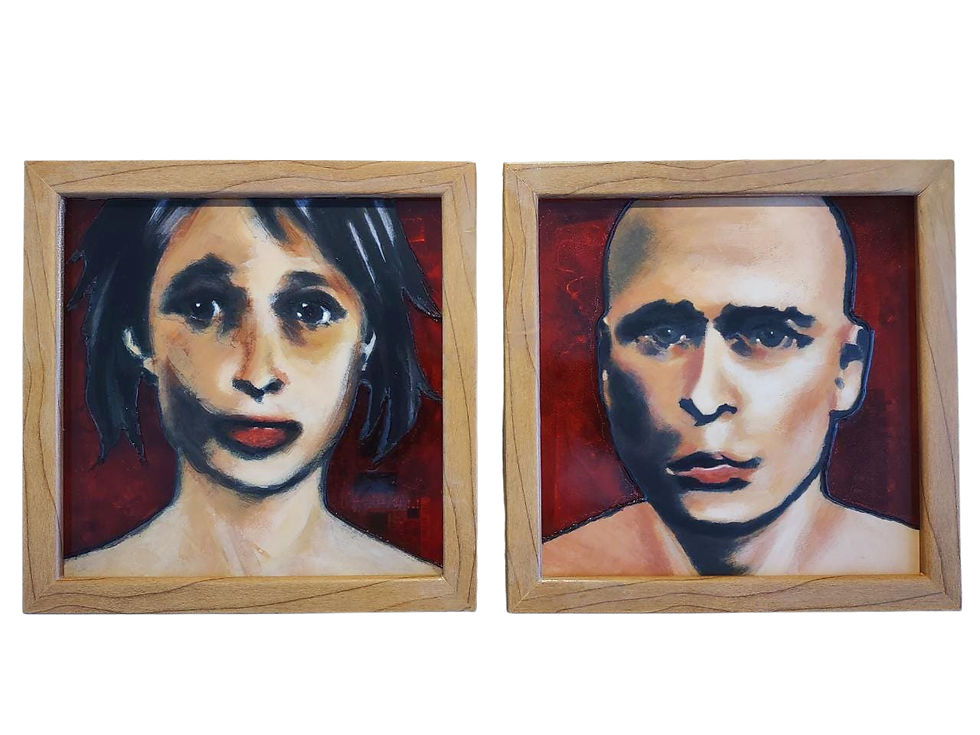
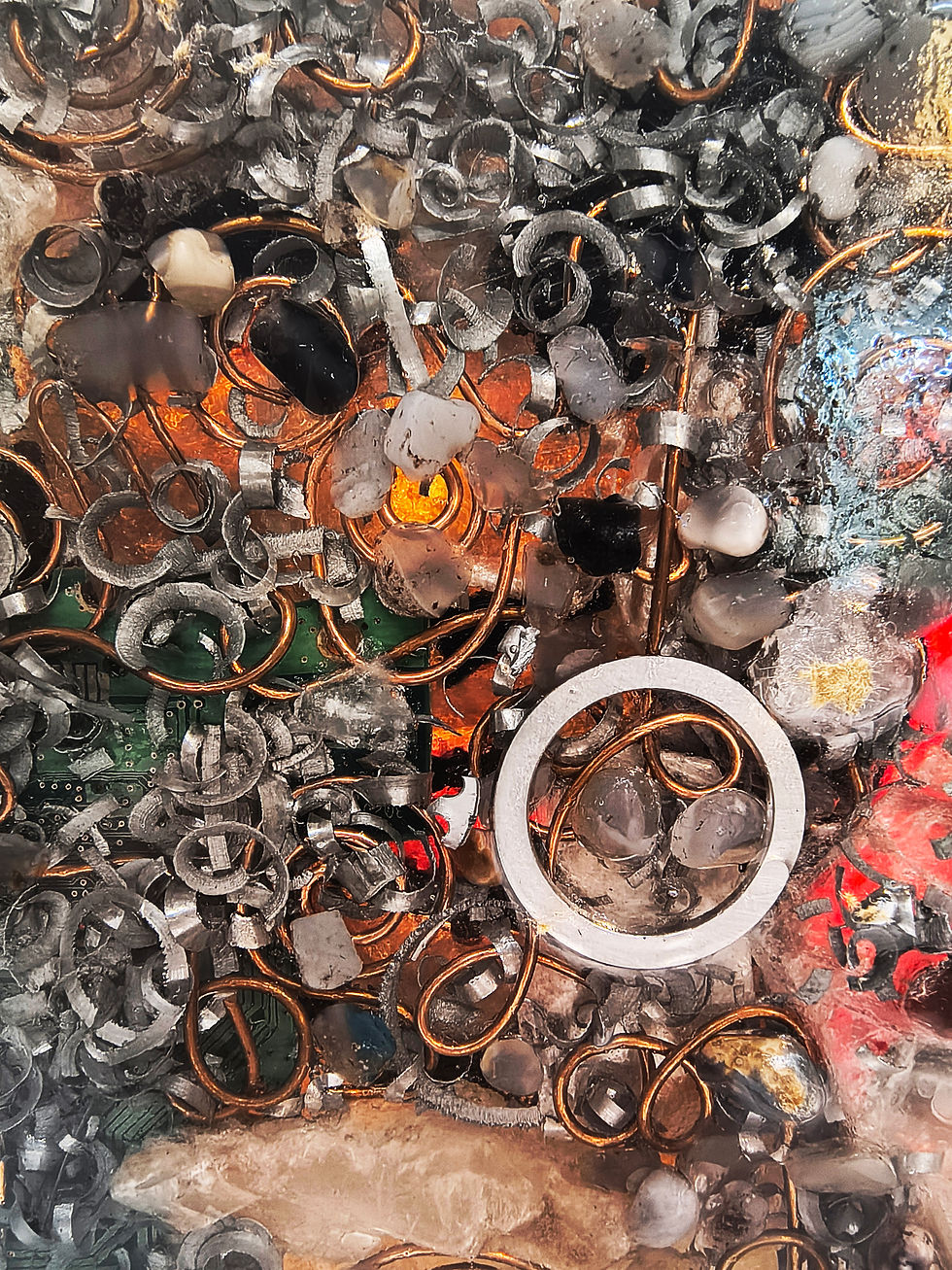
In continuity with my research on the relationship between humanity and technology, the diptych Place emerges as a critical response to the growing institutionalization of digital environments such as the metaverse and the expansion of NFTs. This reflection engages with the critique of technological acceleration articulated by Paul Virilio, particularly his notion of the “aesthetics of disappearance,” in which the speed of technical systems tends to dissolve the physical presence of the world. At the same time, it resonates with the contemporary diagnosis of Byung-Chul Han regarding the emergence of “non-things”: dematerialized objects that circulate as pure information, gradually replacing tangible experience with digital flows. Within this context, Place explores the simultaneously virtual and corporeal condition of the human being and its emotional impact. In contrast to the logic of the infinitely reproducible digital image—destined to circulate as yet another file within the metaverse—I reclaim the necessity of things: the presence of the object, the resistance of matter, and the physical experience of encounter. Beginning with a portrait installed on a transmitting base, the piece incorporates an orgonite conceived as a symbolic device operating as a counterpoint to contemporary technological saturation. More than an image, the work is conceived as an object that affirms material presence and restores to the body its condition as a place. In this way, Place becomes a reflection on the defense of physical space and the human body—our first territory—at a historical moment when experience increasingly tends toward virtualization and where things themselves seem to dissolve into information.